
Who Voted for the Pesticide Liability Shield?
By Mary Budinger / May 12, 2026
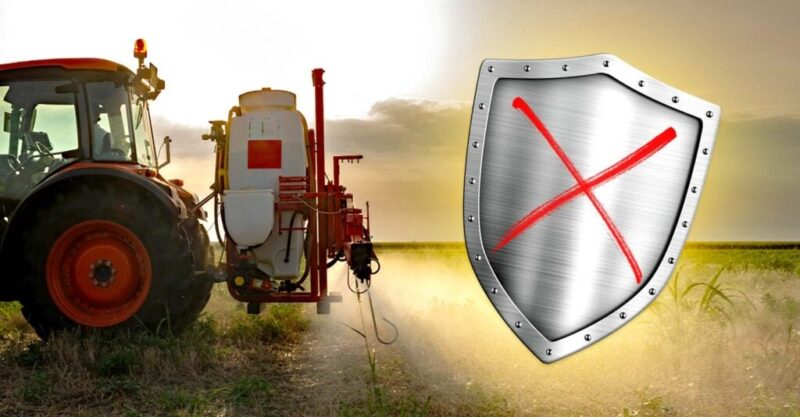
Public activism and pushback worked – the pesticide liability shield included in the 2026 Farm Bill got voted down.
There were three poison pills in the bill – Sections 10205, 10206, and 10207. They would have given Bayer and the pesticide industry immunity from pesticide-harm lawsuits, similar to what the vaccine industry has. These provisions would have taken away people’s right to sue when harmed by toxic pesticides, and also taken away states’ rights to require more protective labeling than what is required by extremely weak federal EPA pesticide regulations.
All three attempts were removed from the bill when the Luna Amendment passed the House, with 207 Democrats and 73 Republicans voting in favor of stripping Big Ag’s pesticide immunity provisions from the Farm Bill. Rep. Anna Paulina Luna (R-FL) championed removal of the three provisions.
How did Arizona lawmakers vote? (A “no” vote meant they did not support the Luna Amendment – they wanted to keep the three provisions. A “yes” vote meant they wanted to kill the three provisions.)
| Yassamin Ansari (D-AZ-3) | YES |
| Andy Biggs (R-AZ-5) | Not Voting |
| Juan Ciscomani (R-AZ-6) | YES |
| Elijah Crane (R-AZ-2) | YES |
| Paul A. Gosar (R-AZ-9) | YES |
| Adelita S. Grijalva (D-AZ-7) | YES |
| Abraham J. Hamadeh (R-AZ-8) | YES |
| David Schweikert (R-AZ-1) | NO |
| Greg Stanton (D-AZ-4) | YES |
When the votes were counted, there were 280 yes votes and 142 no votes. And it was an unusual showing of bipartisanism:
| PARTY | YES | NO |
| Republican | 73 | 135 |
| Democrat | 207 | 6 |
| Independent | 1 | |
| Total | 280 | 142 |
In an email to Phoenix New Times, Biggs spokesperson Drew Sexton said Biggs missed the vote because he flew home from Washington, D.C. on Thursday morning “to deal with a personal family matter.” Sexton said that Biggs cosponsored a previous, similar amendment pushed by Kentucky Rep. Thomas Massie “and would have voted for the Luna amendment on Thursday morning.”
However, New Times continued, “Biggs’ stated support for glyphosate immunity is something of a turnaround. In 2017, he demanded that the WHO’s cancer agency testify in front of Congress over its findings that the chemical is carcinogenic, threatening to pull the agency’s federal funding if it didn’t play ball.”
The next step in the process is that the U.S. Senate writes its version of the 2026 Farm Bill. The Senate Agriculture Committee has not yet released its draft. Senators can:
- leave those sections out,
- restore some or all of them,
- or negotiate modified language
The lobbyists will be out in force because farm groups, pesticide manufacturers, and some agricultural organizations are pushing to revive parts of the language.
Whatever the Senate negotiates has to come back to the House again, then to the Senate again, and then to the President for signature.
The current Farm Bill extension expires September 30, 2026, so Congress is under pressure to finish negotiations before then or pass another temporary extension.
Mary Budinger is an Emmy award-winning journalist and a certified nutritional therapist (NTP). She lives in Phoenix and writes about functional medicine and nutrition.
The views and opinions expressed in this article are those of the author(s) and do not necessarily reflect the views of Children’s Health Defense and/or Children’s Health Defense – Arizona. Information shared and presented is for educational purposes only; no material is intended to be a substitute for professional medical advice, diagnosis, treatment or any other professional advice.